

Crop
Mandi prices and key benchmarks for crop value
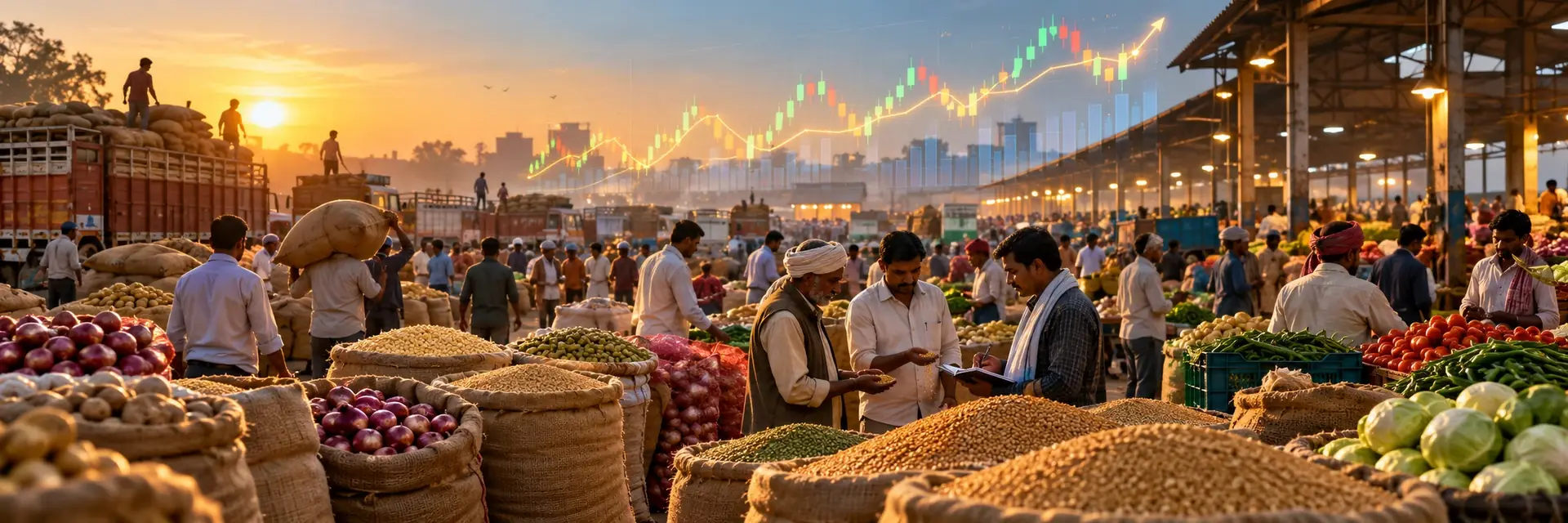 PricesWhat your crop, your animals and your inputs are worth today.Open Prices
Prices
Track agricultural prices across India.
Get real-time and historical market prices, forecasts and key price benchmarks to make better decisions.
Smarter price insights for a stronger tomorrow.Mandi prices and key benchmarks for crop value
Live rates for livestock and poultry
Key input and commodity prices for farming
Anticipate trends, plan better
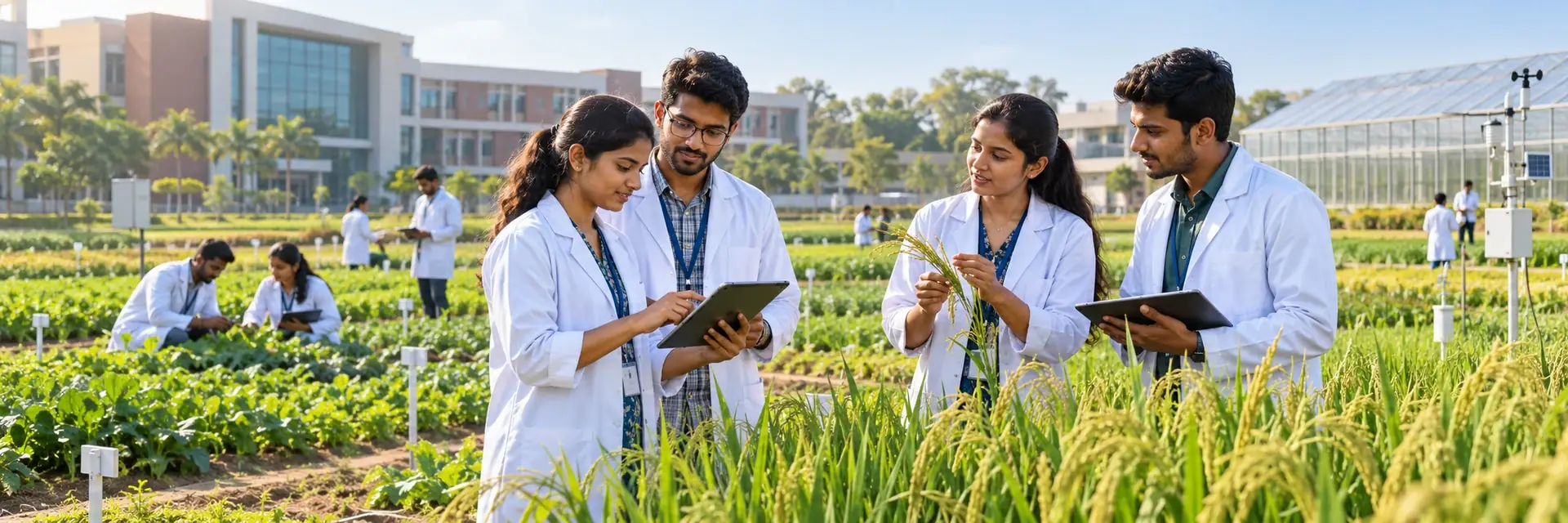
Career
Build a career in agriculture.
Find the jobs that are open now, the exams worth sitting, the courses that lead somewhere, and the reading behind all of it.
A clearer path into agricultural work.Paid work, internships and volunteer roles
Dates, syllabus and study material
Courses you can join and what they teach
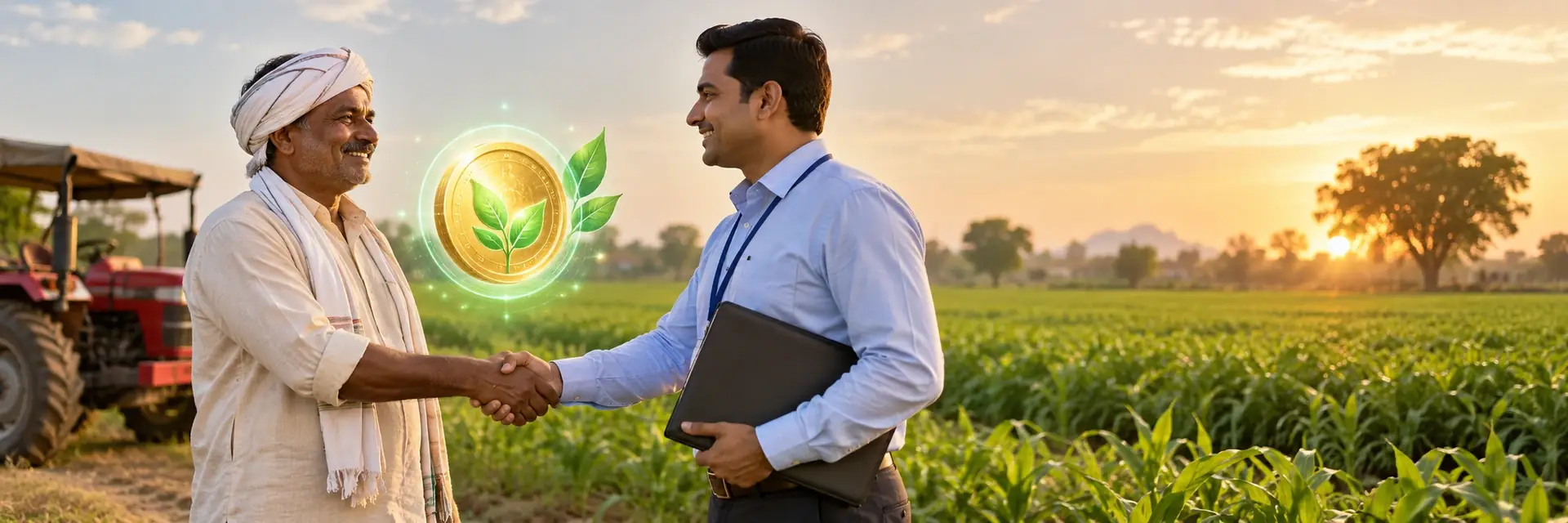
Farm finance
Find the money behind the season.
Check which government schemes you qualify for, what you can borrow and at what instalment, and the cover available for your crop and your animals.
Know what you can claim before you spend.Government schemes and your eligibility
What you can borrow and what it costs
Cover for your crop and your animals
Money for agriculture students

Help
Get help with AgriFolk.
Learn how each part of the site works, see exactly where every number comes from, and reach a person when something looks wrong.
A real person reads every report.Who runs AgriFolk and how to reach us
Help using the site and where the data comes from
What we store and the terms you are using
Syllabus by degree
What each degree teaches, how much of it goes to each subject, and how the years build on each other.
What the course is made of
4 years · 8 semesters. Share of the course by subject group. Point at a slice to read it.
Year by year
Each bar is one year, split in the same colours.
First year
- Fundamentals of agronomy, soil science, horticulture, plant breeding and agricultural economics
- The basic sciences under all of them
Second year
- Crop production crop by crop
- Plant pathology and entomology
- Irrigation and water management
- Agricultural extension
Third year
- Farming systems and seed production
- Post-harvest handling and farm machinery
- Agribusiness and marketing, plus electives
Fourth year
- Rural work experience in a village
- Hands-on units in a chosen area
- A final project
Exact course codes differ between universities. The order above is what almost all of them follow, and what entrance exams for government posts assume you know.
Shares are approximate, after the ICAR model curriculum. Course codes and exact credits differ between universities.
Studying for an exam rather than a degree
Where recruitment exams draw their questions from.
Recruitment exams draw on the first 3 years of the agriculture degree, weighted towards agronomy, plant protection and extension. The study material page has the standard books and papers, and exams has the eligibility and dates.